Wood Floor Refinishing vs. Floor Replacement: How to Decide
People searching for wood floor refinishing often want to restore or update their floors, and local contractors can help decide whether refinishing or replacement is best.
Deciding between wood floor refinishing and floor replacement is a common consideration for property owners looking to refresh or upgrade their spaces. Whether dealing with surface wear, scratches, or discoloration, understanding the benefits and limitations of each option can help make an informed choice. Property owners in the area often explore this topic to preserve the beauty of their existing floors while avoiding unnecessary expenses, especially when the structure underneath remains sound. This page offers practical insights to guide those weighing the decision, highlighting how local contractors specializing in wood floor refinishing can provide effective solutions that restore the original charm of hardwood floors without the need for complete replacement.
Readers interested in this topic will find useful information on assessing the condition of their floors, the potential for refinishing, and when replacement might be the better route. Many property owners seek to extend the life of their existing hardwoods and avoid the disruption of tearing out and installing new flooring. Local service providers who specialize in wood floor refinishing can help evaluate the current state of a floor, offering options that align with the property's needs and aesthetic goals. Keep reading to learn more about how to determine the best approach for your space and how experienced contractors can assist in achieving a beautiful, long-lasting result.
- Surface damage - When floors have extensive scratches, stains, or worn finishes, local contractors may recommend refinishing to restore their appearance without full replacement.
- Structural integrity - If the underlying wood is still sound but the surface is dulled or damaged, local service providers often suggest refinishing as a cost-effective solution.
- Cost considerations - Homeowners weighing options between wood floor refinishing vs. floor replacement can consult local pros to understand which approach best fits their budget and needs.
- Aesthetic updates - For those seeking to refresh the look of existing wood floors, local contractors can advise on refinishing techniques that preserve the original material.
- Floor age and condition - When floors are relatively new or well-maintained underneath, local service providers may recommend refinishing over replacement to extend their lifespan.
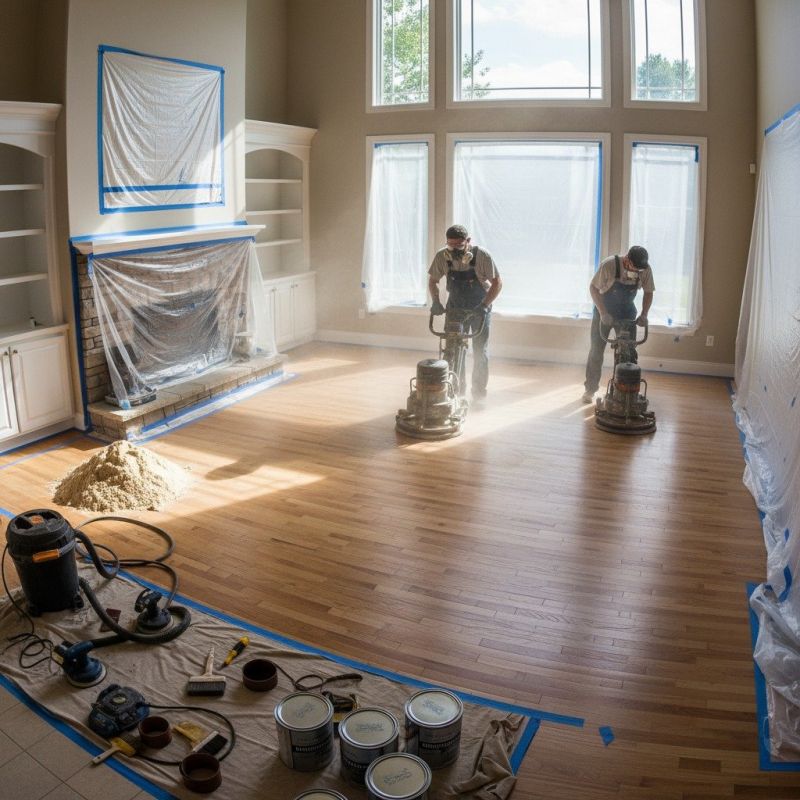
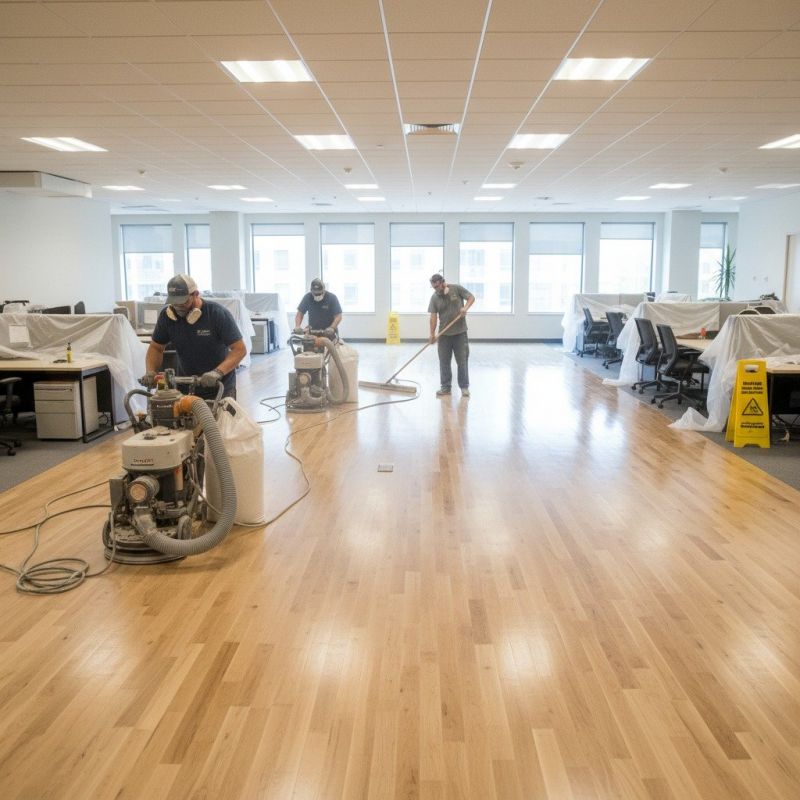
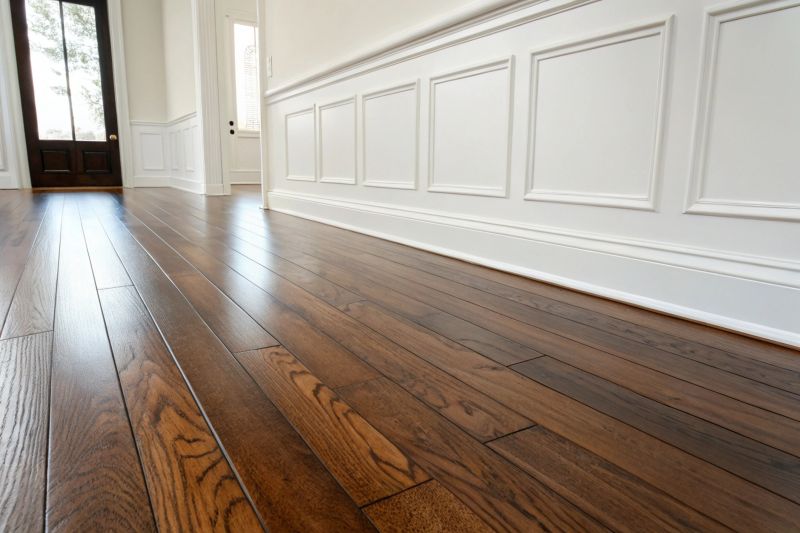
When homeowners search for information about wood floor refinishing vs. floor replacement: how to decide, they are often trying to determine the best approach for restoring or upgrading their existing hardwood floors. This decision typically arises in situations where the floors have become worn, scratched, or dull over time, and the property owner is considering whether a simple refinishing job will suffice or if a full replacement is necessary. The choice can also be influenced by plans to update the overall aesthetic of a space, improve property value, or address specific issues like deep stains or structural damage. Understanding the difference between these two options helps homeowners make informed decisions that align with their goals, whether they’re renovating a home, updating a commercial space, or preparing a property for sale.
This topic is particularly relevant to properties that are actively used and have experienced years of foot traffic or wear. Common scenarios include older homes with original hardwoods, rental properties that see frequent use, or commercial spaces like restaurants and retail stores where floors endure heavy activity. Problems such as deep gouges, persistent stains, or uneven surfaces often prompt questions about whether refinishing can restore the floor’s appearance or if replacement is the only solution. Homeowners planning renovations or upgrades may also consider this topic when weighing the costs and benefits of restoring existing floors versus installing new materials. Local service providers specializing in wood floor refinishing can evaluate the condition of existing floors and advise on the most practical and cost-effective options.
The types of properties that frequently come up in discussions about wood floor refinishing vs. floor replacement include single-family homes, condominiums, apartments, and commercial buildings. In residential settings, floors may be in varying states of preservation-some only needing a fresh coat of finish, while others require more extensive work due to damage or outdated styles. Commercial properties often face higher wear and tear, making the decision more critical for maintaining a professional appearance. When considering a project, property owners often look at factors like the age of the floors, the extent of damage, and the overall design goals. Local contractors who specialize in wood floor services can help determine whether refinishing will meet the desired outcome or if replacement is necessary to achieve a new look and long-term durability.
Ultimately, choosing between wood floor refinishing and floor replacement hinges on assessing the current condition of the floors and understanding the desired results. Homeowners and property managers should evaluate whether the existing hardwoods are structurally sound, whether surface damage is repairable, and if the existing style aligns with their vision. Local service providers can perform inspections and provide guidance tailored to each property’s unique situation. This approach ensures that decisions are based on practical considerations rather than assumptions, helping property owners achieve a balance between cost, appearance, and longevity. Whether opting for refinishing or replacement, connecting with experienced local pros ensures the project is handled efficiently and to the homeowner’s satisfaction.
Floor sanding and finishing projects involve preparing and restoring wood surfaces, sharing techniques used in wood floor refinishing to enhance appearance and durability.
Subfloor repair and installation require similar planning and tools as floor replacement, ensuring a stable foundation before refinishing or replacing wood floors.
Hardwood floor installation involves laying new wood surfaces, which can be compared to the decision-making process between refinishing existing floors or opting for replacement.
Surface preparation and sanding services are essential steps in both refinishing and certain types of floor replacement, requiring similar skill sets and equipment.
Floor staining and sealing projects enhance the look of wood surfaces, aligning with refinishing services that restore and protect existing hardwood floors.
Remodeling and renovation projects often include flooring updates, where local contractors assess whether refinishing or replacement best suits the space’s needs.
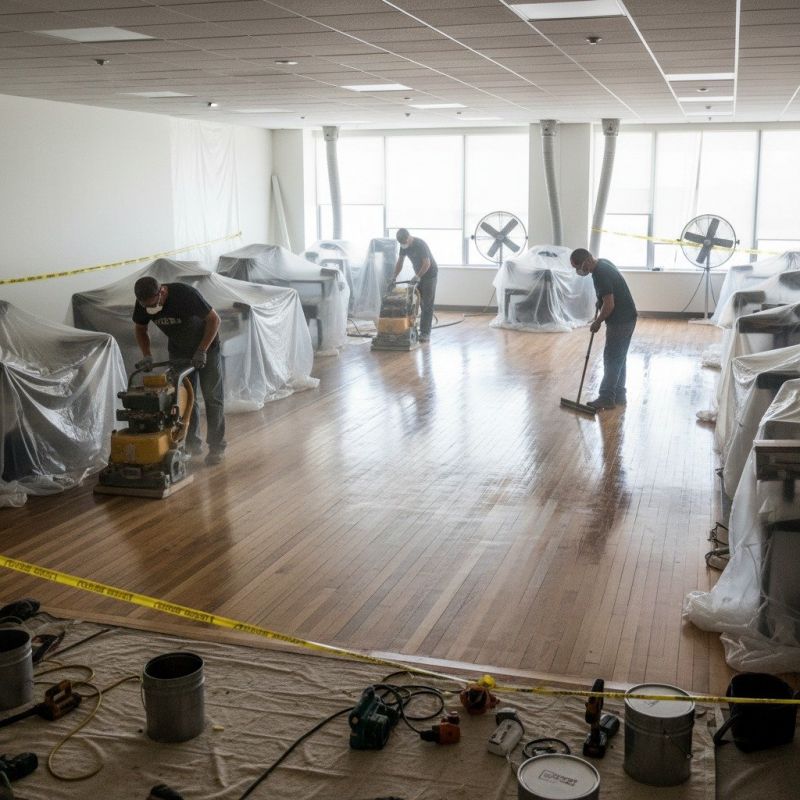
When comparing local service providers for wood floor refinishing, it is important to consider their experience with similar projects. Homeowners should inquire about how long a contractor has been performing refinishing work and whether they have handled projects comparable in size and scope. An experienced contractor will have a better understanding of the best techniques and materials to achieve a quality finish, which can be especially helpful when deciding between refinishing and floor replacement. Additionally, reviewing reputable references or testimonials can provide insight into the contractor’s reliability and the quality of their work, helping homeowners feel more confident in their choice.
Clear, written expectations are essential when evaluating local contractors for wood floor refinishing services. Homeowners should seek detailed proposals that outline the scope of work, materials to be used, and the expected results. Having this information in writing helps prevent misunderstandings and ensures that both parties are aligned on the project’s goals. Good communication throughout the process is also crucial; a contractor who is responsive and transparent can address questions or concerns promptly, making the decision-making process smoother. This clarity is especially valuable when weighing the benefits of refinishing versus replacing a wood floor, as it allows homeowners to understand what can realistically be achieved.
Reputable references and a history of good communication are key indicators of a trustworthy local contractor for wood floor refinishing. Homeowners should ask for contact information from previous clients or look for online reviews to gauge the contractor’s reputation. A contractor who maintains open lines of communication and provides consistent updates demonstrates professionalism and respect for the homeowner’s needs. These qualities can make a significant difference in the overall experience, ensuring that the project aligns with expectations and that any issues are addressed promptly. Ultimately, choosing a service provider with a solid track record can help homeowners make an informed decision about whether refinishing will meet their goals or if a floor replacement might be a better choice.
Property owners often search for wood floor refinishing vs. floor replacement: how to decide when they are planning practical projects around their homes and businesses. Local pros provide Wood Floor Refinishing services for everyday jobs and straightforward project options.
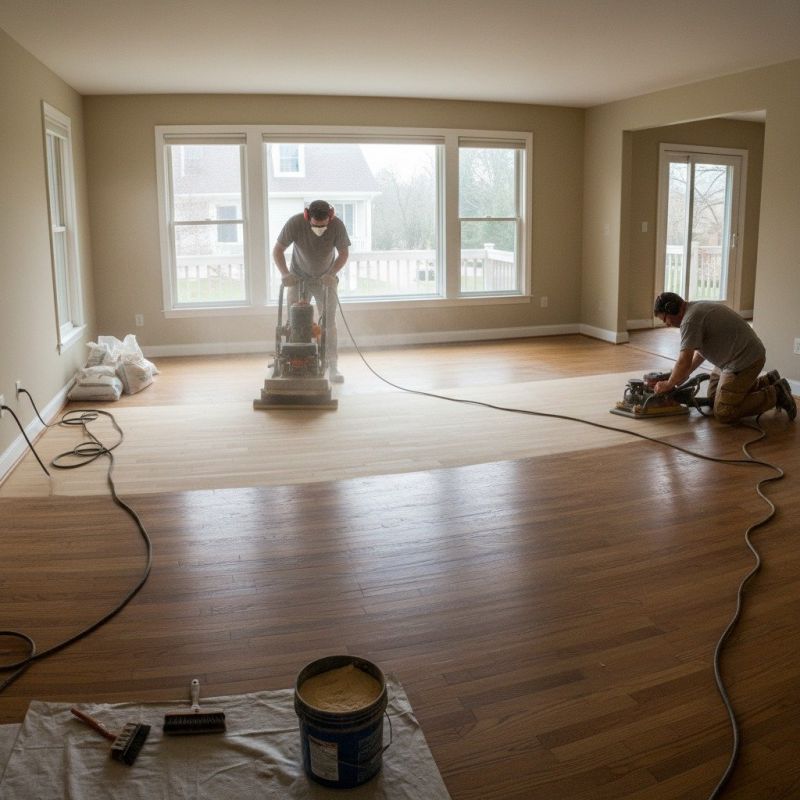
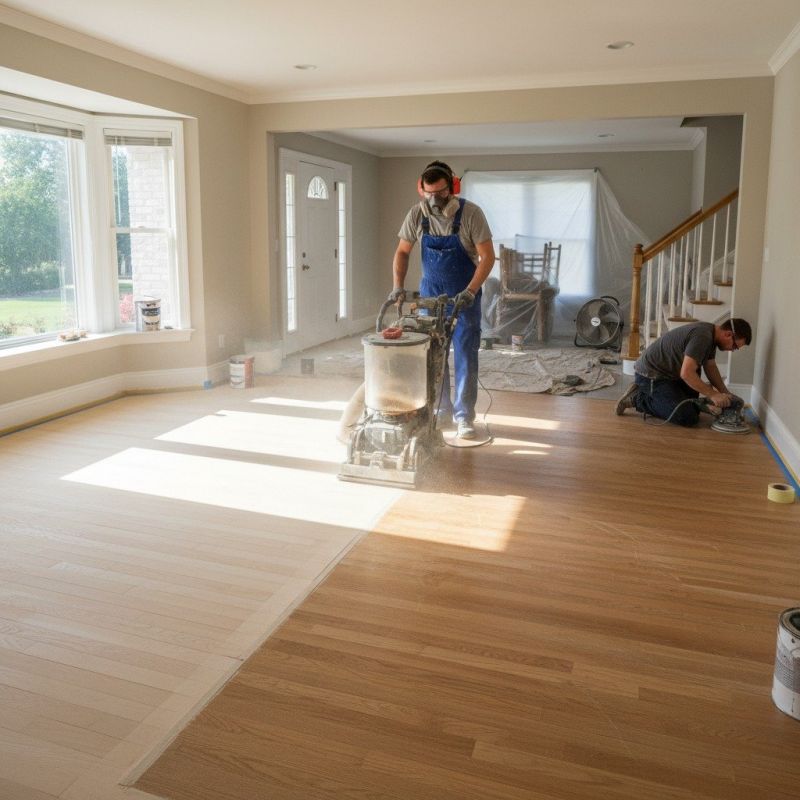
When deciding between wood floor refinishing and floor replacement, many property owners in the area consider the condition of their existing flooring and their long-term goals. For those with hardwood floors that have minor scratches, dullness, or surface damage, wood floor refinishing offers a way to restore their natural beauty without the need for full replacement. Local contractors who specialize in refinishing can often assess whether the existing floor can be revitalized, saving time and money while maintaining the original character of the space. This option is especially appealing for homeowners looking to refresh a room or update the appearance of their floors with minimal disruption.
On the other hand, property owners facing extensive damage, deep stains, warped boards, or structural issues might lean toward floor replacement. When refinishing can’t effectively address foundational problems or large areas of deterioration, local service providers can help determine if a complete replacement is a more practical solution. This approach ensures the durability and safety of the flooring, especially in high-traffic or heavily used areas. Whether choosing to refinish or replace, consulting with experienced local contractors can provide clarity on the best course of action based on the current condition of the floors and the desired outcome.
How do I know if my wood floors should be refinished or replaced? Local contractors can assess the condition of your floors to determine if refinishing will restore their appearance or if replacement is necessary due to extensive damage or wear.
What are the benefits of wood floor refinishing compared to replacement? Refinishing can restore the look of existing floors, saving time and money, while replacement may be needed if the floors are severely damaged or outdated beyond repair.
When is floor replacement the better choice over refinishing? If the wood is heavily warped, cracked, or has deep stains that refinishing cannot effectively address, local service providers may recommend replacing the flooring.
Can local pros help determine whether refinishing or replacement is more practical? Yes, experienced contractors can evaluate your floors’ condition and advise on the most suitable option based on their assessment.
What should I consider when deciding between refinishing and replacing my wood floors? Factors include the current state of the wood, the age of the flooring, and your desired aesthetic; local pros can provide guidance tailored to your specific situation.
Assessing floor condition - Property owners can evaluate whether their existing wood floors have deep scratches, stains, or structural damage that may require replacement instead of refinishing.
Considering project scope - Deciding between refinishing and replacement involves understanding if the entire floor needs a new surface or if repairs can restore its appearance.
Matching flooring styles - Homeowners planning updates can explore how refinishing preserves original wood styles, while replacement offers options for new designs or materials.
Consulting with local contractors - Engaging with local service providers helps property owners determine the best approach based on the condition and age of their floors.
If you are thinking about wood floor refinishing vs. floor replacement: how to decide for a property, this guide is meant to help you understand this topic, the typical project types, and how different options might fit your plans.
When you are ready, you can use the quote form on this page to share a few details about your project. From there, local pros can review the basics and follow up with options that match what you have in mind.